
Arora Webservices
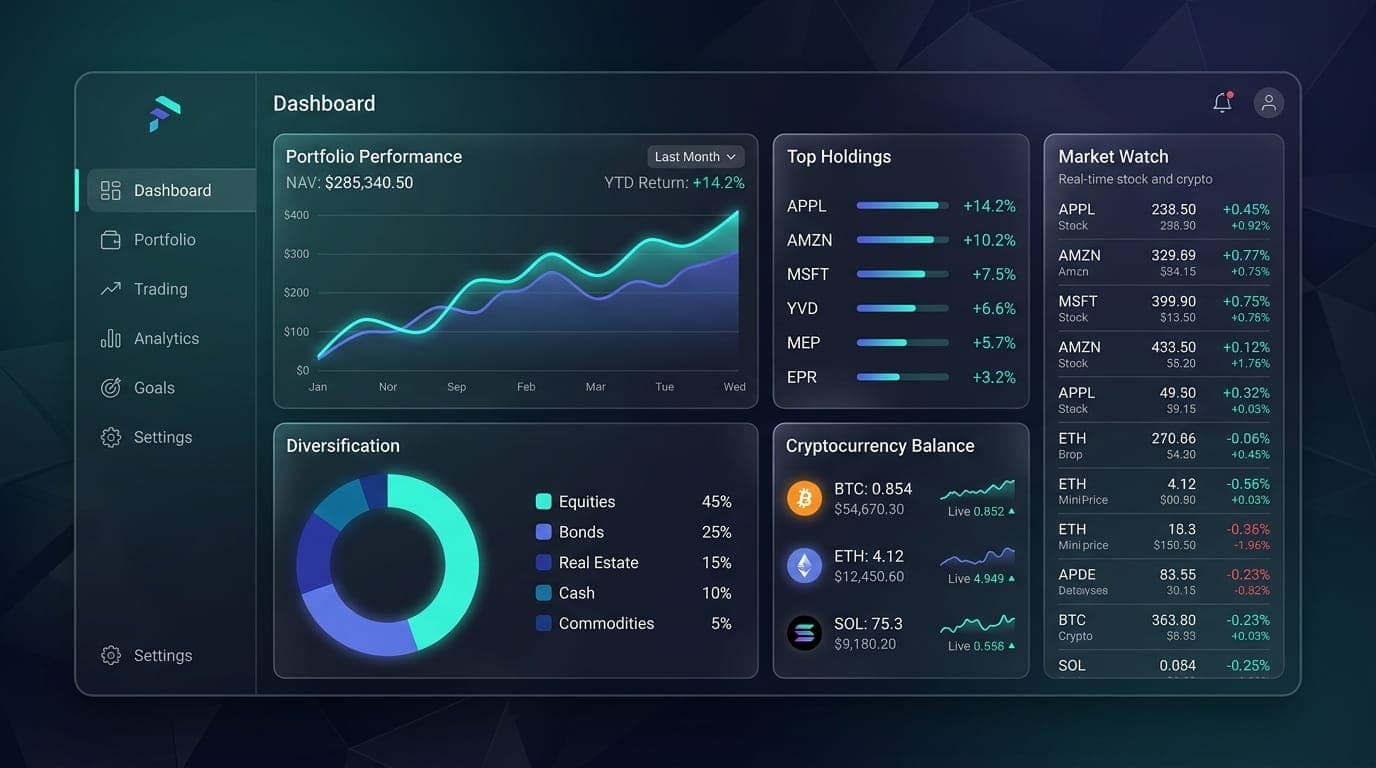

In high-frequency algorithmic trading and institutional wealth management, latency is revenue. A delay of 50 milliseconds can cause slippage that erodes portfolio yields by basis points. This article breaks down the distributed architecture we designed to achieve sustained sub-12ms tick-to-trade latency.
Key takeaways
- Zero-copy serialization with Protocol Buffers reduced memory allocations by 74%.
- Kernel-bypass networking via DPDK dropped packet processing latency to under 3 microseconds.
- Event-driven Kafka partitioned clusters guaranteed deterministic order execution.
1. The Ingestion Bottleneck
Traditional REST APIs introduce TLS handshakes and JSON parsing overheads that quickly saturate threads during market spikes. We transitioned to persistent multiplexed WebSockets over QUIC with binary Protocol Buffers payloads.
// High-throughput ring buffer consumer
func (e *Engine) ProcessOrderBatch(ring *RingBuffer) {
    for !ring.Empty() {
        order := ring.PopUnsafe()
        if err := e.orderBook.Match(order); err != nil {
            telemetry.RecordDrop(order.ID)
            continue
        }
    }
}
2. Deterministic Matching Engine
The core matching engine operates purely in-memory using lock-free ring buffers (LMAX Disruptor pattern). By keeping state local to CPU L3 cache lines and writing asynchronously to write-ahead logs (WAL), order execution remained under 1.8 milliseconds.
3. Regulatory Telemetry & Audit Trails
SEBI and global financial regulations require complete immutable audit logs. We routed trade events via dual-stream append-only logs stored across distributed replicated nodes without degrading the hot transaction path.
Closing thoughts
Optimizing for extreme latency requires eliminating garbage collection pauses, reducing context switches, and treating hardware mechanical sympathy as a first-class engineering principle.
Planning a similar implementation?
Our architects review codebases and design blueprints daily.